
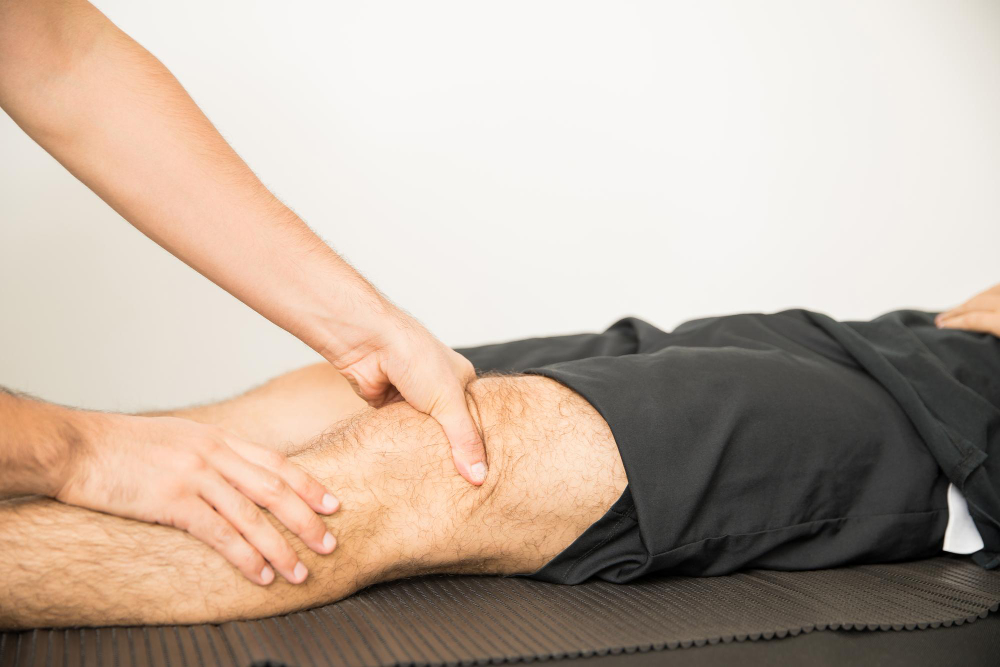
What Is Knee Pain?
Knee pain is a common problem for people of all ages. It can affect daily life and limit movement. For many, knee pain and physiotherapy go hand in hand when looking for relief. The knee is a large joint that helps you walk, run, and climb stairs. When it hurts, even simple tasks can become hard. Sometimes, the pain is sharp. Other times, it may feel dull or achy. No matter the type, knee pain can slow you down. Because of this, finding the right care is important.
Common Causes of Knee Pain
Many things can lead to knee pain. For example, injuries from sports or falls are frequent causes. In addition, wear and tear over time can damage the knee. Some people have knee pain due to arthritis, which makes the joint stiff and sore. Others may feel pain after standing or walking for long periods. Sometimes, being overweight puts extra pressure on the knee. Even weak muscles around the knee can cause problems. Knowing the cause helps guide the best treatment.
How Physiotherapy Helps Knee Pain
Physiotherapy for knee pain is a safe and proven way to help most people. With the right exercises, you can build strength and improve knee mobility. As a result, your knee may hurt less and move better. Physiotherapists use gentle stretches, strengthening moves, and balance training. They also teach you safe knee exercises at home. Because each person is different, a physiotherapist will create a plan just for you. According to the World Health Organization, exercise is key to joint health and pain relief.
Key Strengthening Exercises for Knee Mobility
Doing knee strengthening exercises can help you move better and feel stronger. For best results, start slow and use good form. Below are some safe knee exercises at home that many physiotherapy clinics near you may recommend:
Because these exercises are gentle, most people can do them at home. However, always check with a physiotherapist before starting new exercises.
Tips for Safe Exercise and Injury Prevention
Staying safe is important when doing knee strengthening exercises. First, always warm up before you start. This helps your muscles get ready and lowers the risk of injury. Next, use slow and controlled movements. If you feel sharp pain, stop right away. In addition, wear comfortable shoes that support your feet. Remember to drink water and take breaks as needed. For extra support, many people use a mat or towel for floor exercises. If you are unsure about a move, ask a physiotherapist for help. Because safety comes first, never push through pain.
When to Seek Professional Help
Sometimes, knee pain does not get better with home care. If your pain is severe or lasts more than a few weeks, see a doctor or physiotherapist. Also, seek help if your knee is swollen, red, or feels warm. These signs may mean you have an injury or infection. If you cannot put weight on your knee or it gives out, get help right away. Physiotherapy clinics near you can offer expert advice and treatment. Early care can prevent further problems and help you return to your normal activities faster. Consult Dr. Rajakumari