The Importance of Nutrition After Stroke
Nutrition after stroke plays a big role in healing. After a stroke, your body needs extra care. Eating the right foods can help your brain and body recover. In fact, a healthy diet for stroke recovery can improve strength, mood, and energy. According to the CDC, good nutrition also helps prevent another stroke. Because of this, making smart food choices is very important for stroke survivors.
Common Nutritional Challenges Faced by Stroke Survivors
Many people face eating problems after a stroke. For example, some may have trouble swallowing, called dysphagia. Others might lose their appetite or have changes in taste. Sometimes, weakness in the arms or hands makes eating hard. As a result, getting enough nutrients can be a challenge. It is important to watch for these issues and talk to a doctor or dietitian if they happen.
Essential Nutrients for Stroke Recovery
After a stroke, your body needs certain nutrients to heal. These nutrients help repair tissue and support brain health. For best results, include foods rich in:
Therefore, a balanced diet for stroke recovery should include a mix of these nutrients each day.
Recommended Foods and Sample Meal Ideas
Choosing the right foods to eat after stroke can make a big difference. For example, try to include:
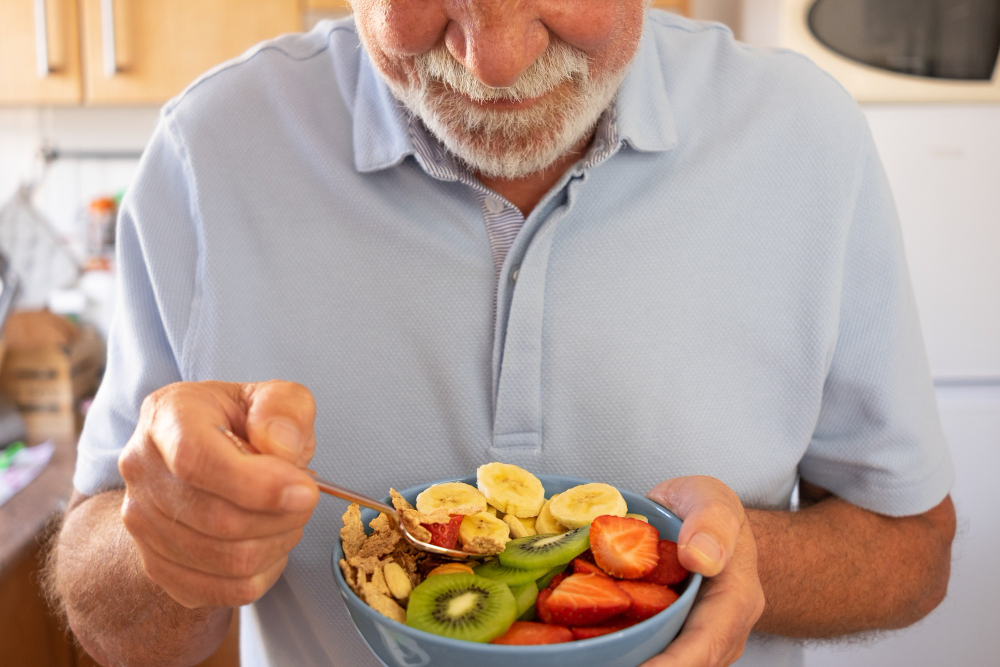
Here are some simple meal ideas for healthy eating post-stroke:
Whenever possible, choose fresh and unprocessed foods for better nutrition after stroke.
Foods and Habits to Avoid
Some foods can slow recovery or raise the risk of another stroke. For this reason, it is best to avoid:
Additionally, try not to skip meals. Skipping meals can lead to low energy and poor healing. Instead, eat small, balanced meals throughout the day.
Tips for Caregivers and Family Members
Caregivers play a key role in stroke rehabilitation nutrition. To help your loved one eat well, try these tips:
With support, stroke survivors can enjoy meals and get the nutrients they need.
Lifestyle Guidance for Maintaining a Healthy Diet Post-Stroke
After a stroke, healthy eating habits are important for long-term health. For instance, plan meals ahead of time to avoid unhealthy choices. In addition, keep healthy snacks on hand, such as fruit or yogurt. Staying active, as your doctor allows, can also help with recovery. If you smoke, try to quit, as smoking can slow healing. Regular check-ups with your healthcare team will help you stay on track with your diet for stroke recovery.
Prevention of Complications Through Nutrition
Good nutrition after stroke can help prevent problems like high blood pressure, diabetes, and heart disease. For example, eating less salt and more fruits and vegetables can lower blood pressure. Choosing whole grains and lean proteins can help control blood sugar. As a result, a healthy diet supports both recovery and future health. The World Health Organization and CDC both stress the value of nutrition in stroke rehabilitation. Making smart food choices every day can lower the risk of another stroke and other health issues. Consult Dr. Rajakumari